Derma E Vitamin C Mask Review

Derma E Vitamin C Mask Review

Photo Courtesy: Flashpop/DigitalVision//Getty Images

Whether in the form of a fizzy drink or flavored lozenges, cold and flu preventative supplements almost always highlight vitamin C as one of their key ingredients. So, what's so magical about vitamin C? Also known as ascorbic acid, vitamin C is critical to living healthily. Since the human body cannot spontaneously generate this nutrient, vitamin C must instead be absorbed from outside sources, such as vitamin supplements or foods that are naturally rich in it.

Commonly found in cold and flu preventative supplements, vitamin C strengthens and speeds up immune system functionality. Though research does not indicate that vitamin C intake alone can prevent the onset of cold or flu, adequate daily intake may shorten the duration of an infection or lessen the severity of symptoms.

Photo Courtesy: Catherine Falls Commercial/Moment/Getty Images

Vitamin C is crucial for the maintenance of well being. For example, it plays a role in wound healing and helps maintain many essential body tissues. It also acts as a potent antioxidant and can repair damage from free radicals, which are linked to aging effects, and disease vulnerability. Additionally, vitamin C can also prevent anemia, since it helps the body increase absorption of dietary iron, another vital mineral that the body cannot spontaneously create.

Foods that contain high concentrations of vitamin C have been linked with a lower risk of cardiovascular disease, like heart attack and stroke. Vitamin C can also increase levels of nitric oxide, a compound that widens blood vessels and, in turn, lowers blood pressure. In addition, regular intake of vitamin C, along with other vitamins, has been linked to a decreased risk for developing age-related cataracts, a leading cause of visual impairment in the United States.

Common Sources of Vitamin C

Vitamin C can be easily obtained through the many different foods, including:
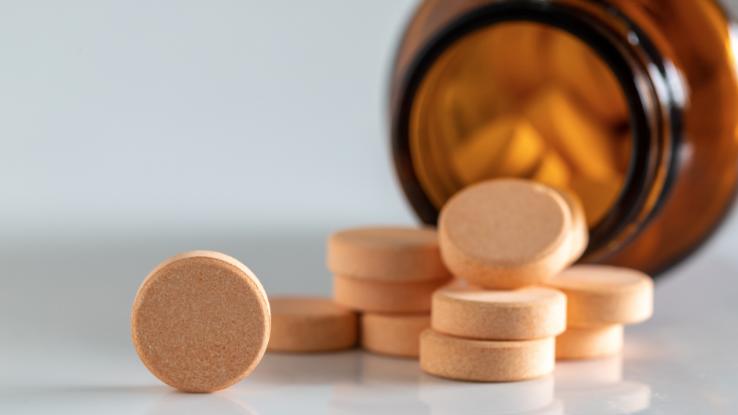
Photo Courtesy: Akaradech Pramoonsin/Moment/Getty Images
  • Citrus fruits and juices (orange, grapefruit, lemon, lime and tangerine)
  • Berries
  • Melons
  • Mangoes
  • Kiwi
  • Tomato
  • Broccoli
  • Red peppers
  • Spinach
  • Squash
  • Potatoes

Cooking these foods may result in the loss of some of the vitamin content, so it is ideal to ingest them raw, either whole or juiced. Nowadays, there are also numerous packaged food products, like cereals, that have been enriched and fortified with vitamin C, so that the nutrient can be easily obtained.

Vitamin C may also be labeled as "L-ascorbic acid" in supplement form, and most over-the-counter multivitamins contain the recommended daily amount of the vitamin. While it is a good source when an individual is in need of a vitamin C boost, supplements are not meant to replace a diet rich in naturally derived vitamin C.

What Happens When You Have Too Much — or Too Little — Vitamin C?

Vitamin C is a water-soluble vitamin that can be easily flushed out of the body via urination when it is not needed. Therefore, if the main source of vitamin C is from naturally occurring foods, it is near-impossible for excess vitamin C to produce side effects. However, taking excessive concentrated vitamin C supplements may lead to diarrhea or stomach upset.

Photo Courtesy: Violeta Stoimenova/E+/Getty Images

Since vitamin C-rich foods are so readily available nowadays, symptoms of inadequate vitamin C intake are also rare in the United States. However, malnourished individuals can experience symptoms of vitamin C deficiency over time, including:

  • Weakness
  • Fatigue
  • Anemia
  • Easy bruising
  • Joint pain
  • Skin breakdown
  • Weakened tooth enamel
  • Gum inflammation

Severe vitamin C deficiency is referred to as scurvy. Scurvy can be easily treated with increased dietary or supplemental vitamin C. Since vitamin C is crucial in the detoxification of the body, a lack of vitamin C can compromise the immune system and make an individual more susceptible to diseases and infections. Individuals with insufficient vitamin C may find that it takes longer than usual to recover from a cold or a physical wound.

Daily Dosage Recommendations:

The daily dosage recommendation for vitamin C is different for everyone, depending on factors such as gender, age, lifestyle and current health condition. The recommended daily dosage for vitamin C is at least 75 mg daily for women and 90 mg for men. Since people who are pregnant, breast feeding, smoking or using oral contraceptives have a lower blood level of vitamin C than others, larger doses of vitamin C may be needed to achieve optimal results in these individuals. Those who have prior or current medical conditions may also require bigger or smaller dosage levels, as recommended by their healthcare providers.

Resource Links:

  • "Vitamin C" via MedlinePlus
  • "Vitamin C and Infections" via MDPI
  • "Extra Dose of Vitamin C Based on a Daily Supplementation Shortens the Common Cold: A Meta-Analysis of 9 Randomized Controlled Trials" via Hindawi, BioMed Research International
  • "Vitamin C" via National Institutes of Health
  • "Scurvy" via U.S. Department of Health & Human Services, National Institutes of Health
  • "Dietary intake and blood concentrations of antioxidants and the risk of cardiovascular disease, total cancer, and all-cause mortality: a systematic review and dose-response meta-analysis of prospective studies" via The American Journal of Clinical Nutrition
  • "Dietary vitamin and carotenoid intake and risk of age-related cataract" via The American Journal of Clinical Nutrition
  • "Cardiovascular System" via Department of Anatomy, Seoul National University College of Medicine (via Springer)

MORE FROM SYMPTOMFIND.COM

Derma E Vitamin C Mask Review

Source: https://www.symptomfind.com/health/vitamin-c-everything-you-need-to-know?utm_content=params%3Ao%3D740013%26ad%3DdirN%26qo%3DserpIndex

Share:

British Vitamin C

British Vitamin C

Your Basket

Add something to your basket...

Shop Now


Are you looking to feel the full effects of Vitamin C? Vita-C is a 1000mg Liposomal Vitamin C supplement that fights off tiredness and fatigue, supports your immune system, is great for your skin, and makes you feel richer all round.

Liposomal Vitamin C – Vita-C – Trust Pilot

Shop Now


FEEL MORE YOU

Liposomal Vitamin C Helps You Absorb 6x More Vitamin C Compared To Pills Or Tablets

+ Aids in the normal function of your immune system
+ Increases skin elasticity and promotes collagen
+ Contributes to the reduction of tiredness and fatigue
+ Promotes optimal psychological function
+ Aids wound healing and helps growth of hair and nails
+ Made with China Free Vitamin C

Shop Now

Recommended By Popular Nutritionists

"I recommend Vita-C over other vitamin C supplements due to its superior taste, natural ingredients and most importantly, it's high bioavailability. Vita-C is produced in theUK to high manufacturing standards,making it a product I trust for myself andmy nutrition clients".

Michaella Mazzoni

NutritionistDip CNM mBANT CNHC Reg

"I highly recommend Vita-C for those wanting to achieve optimum blood plasma levels of vitamin C. The clever liposomal technology enables maximum absorption, around 6x more than standard supplementation. I have personally noticed an improvement in my energy levels and clarity of thought since taking Vita-C daily"

Rosie Letts

Nutritional Therapist, BSc Hons, mBANT, CNHC

"I would happily recommend Vita-C to my clients due to its excellent bioavailability, delicious taste and high quality natural ingredients. Vita-C contributes to the normal function of the immune and nervous system, collagen production, and iron absorption. I have noticed an improvement in my energy levels too, as well as condition of my skin and nails since taking Vita-C daily."

Milena Kaler

Celebrity Nutritionist

"Liposomal Vitamin C has been shown to have a higher bioavailability than non-liposomal Vitamin C. A high bioavailability contributes to supporting adequate Vitamin-C status. The Vitamin C in Vita-C plays a key role in supporting immune function and maintaining healthy collagen production. Vita-C has a delicious taste and is produced in the UK making it a more ethical and sustainable choice."

Jenna Hope

Nutritionist – (ANutr), MSc, BSc (Hons)

The Power Of Vitamin C

Aids in the normal function of your immune system

Contributes to the reduction of tiredness and fatigue

Boosts production of collagen, which keeps skin lookingfirm, helping to reduce the appearance of fine lines and wrinkles

Promotes optimal psychological function


Vita-C: Trusted By
Expert Nutritionists

'I recommend Vita-C over other vitamin C supplements due to its superior taste, natural ingredients and most importantly, it's high bioavailability. Vita-C is produced in the UK to high manufacturing standards, making it a product I trust for myself and my nutrition clients'.

Michaella Mazzoni
Dip CNM mBANT CNHC Reg

michaellamazzoninutrition.com

Better Ingredients.
Better Taste.

Compared to well-known liposomal supplements, Vita-C tastes great and is made with better ingredients. If you are looking for optimum absorption and a supplement that tastes great, you are in the right place.

Shop Now

The Power Of Vitamin C

Vita-C is a high strength Vitamin C supplement that utilises liposomes to maximise absorption and to help your body meet its Vitamin C micronutrient requirements.

Give your body the necessary tools to help build a strong immune system and a healthy body.

Shop Now

Follow Us

British Vitamin C

Source: https://vitaminc.co.uk/

Share:

Benefits Of Having Vitamin C Tablets

Benefits Of Having Vitamin C Tablets

Vitamin C tablets, capsules, gummies, and powder

Verywell / Anastasia Tretiak

Vitamin C, or ascorbic acid, is an important nutrient found in many foods, such as oranges, red and green peppers, and kiwi. It is also available in supplement form.

Vitamin C has many important functions in the body, including:

  • Synthesizing collagen, an important protein
  • Healing wounds
  • Repairing and maintaining cartilage, bones, and teeth
  • Functioning as an antioxidant, meaning it neutralizes free radicals—unstable molecules that can damage cells at the genetic level

Historically, vitamin C was used to prevent or treat scurvy, a condition caused by vitamin C deficiency. Today, vitamin C is considered an "immune booster" and is often taken as a cold remedy. There is some evidence that taking it may shorten the length and severity of a cold.

This article discusses the uses of vitamin C, possible side effects, and dosage.

What Is Vitamin C Used For?

Vitamin C has been used to treat and prevent many conditions, including:

  • Asthma, a chronic lung disease
  • Bronchitis, an inflammation of the air passages in the lungs
  • Cancer
  • Cataracts, a condition where the lens of the eye becomes cloudy
  • Chronic or long-term pain
  • The common cold
  • COVID-19
  • Gastritis, an inflammation of the stomach
  • Glaucoma, a condition of the eyes
  • Heart disease
  • High blood pressure
  • Osteoarthritis, a degenerative disease of the joints
  • Parkinson's disease, a condition of the nervous system

There is not much evidence to support most of these uses. There have, however, been a few promising studies.

Vitamin C Deficiency

An estimated 8.4% of the U.S. population does not get enough vitamin C. In severe cases, this may lead to scurvy, although the condition is rare in the United States.

Symptoms of scurvy include:

  • Bruising
  • Bleeding gums
  • Weakness
  • Fatigue
  • Rash

Vitamin C deficiency is treated with vitamin C supplements. Some symptoms improve within the first 24 hours of treatment. Others may take a few weeks to go away.

In severe cases, the bones may be affected. When this happens, surgery may be needed.

Common Cold

There is mixed evidence for the use of vitamin C to treat or prevent the common cold.

A 2016 review found little evidence that daily vitamin C supplements can prevent colds. One exception may be in people whose bodies are under constant physical stress, such as athletes.

Studies have, however, found that daily vitamin C supplements may help make colds less severe and decrease their length.

Amongst the research:

  • The 2016 review noted that vitamin C taken within the first 24 hours of cold symptoms seemed to shorten how long people were sick.
  • A 2013 study suggested that a daily dose of 1,000 to 2,000 milligrams (mg) of vitamin C can shorten a cold by 8% in adults and 14% in children.

Vision Loss

Age-related macular degeneration (AMD) is an eye disorder. People with this condition have vision loss.

A large 2001 study looked at vitamin C's role in the progression of AMD. Participants received daily vitamin C supplements along with vitamin E, beta-carotene, zinc, and copper.

The study concluded that the supplements slowed the progression of AMD by 25%. They also helped slow the loss of visual sharpness and clarity by 15%.

Unfortunately, researchers can't be sure that the vitamin C itself made a difference. Since this study, a number of other studies have not found that vitamin C alone is helpful for AMD patients.

In addition to this, vitamin C has been studied as a method for preventing certain types of cataracts. A 2014 review found that 135 mg of daily vitamin C may be useful in this regard. This study also found that doses of at least 363 mg could reduce the risk of developing cataracts by 57%.

High Blood Pressure

Vitamin C has long been used as a treatment for high blood pressure, or hypertension. Unfortunately, research suggests it may not be as helpful as once thought.

A 2012 study found that a high dose of vitamin C—around 500 mg daily—produced only small reductions in systolic blood pressure. This is the measurement of your blood pressure during a heart beat.

It had minimal effect on diastolic blood pressure, or the measurement between beats.

The reason for vitamin C's effect on blood pressure isn't well understood. It is thought that high doses of vitamin C may have a mild diuretic effect. That means it may help reduce water in your body, which can lower blood pressure.

Heart Disease and Cancer

Research suggests that vitamin C may help prevent heart disease and cancer.

Antioxidants like vitamin C do seem to reduce the oxidative stress associated with these diseases. This can happen when there are too many free radicals in your body.

A 2013 review found that vitamin C may help prevent stroke. This was mostly true for people who had low intake of vitamin C before treatment or were at high risk for stroke.

The review only found this benefit for vitamin C from food sources, not from supplements.

A 2013 review noted that high intake of vitamin C does seem to be associated with a lower risk of certain cancers. It also noted that intravenous vitamin C has been shown to improve outcomes for cancer patients.

Many experimental cancer therapies include using vitamin C along with other treatments, however. This makes it hard to know how much of an impact vitamin C has on its own.

Recap

There is some evidence that vitamin C can help shorten the length and severity of a cold. In some people, it may also help prevent stroke and certain cancers.

Possible Side Effects

Vitamin C is generally considered safe. High doses, though, can cause side effects. These may include:

  • Heartburn
  • Nausea
  • Headaches
  • Stomach cramps
  • Diarrhea
  • Kidney stones

Doses over 2,000 mg are considered extreme. These doses may increase the risk of severe diarrhea and kidney stones.

You can safely take lower doses of vitamin C during pregnancy. A dose of 85 to 120 mg per day is a common recommendation. Excessive use may cause harm to your unborn baby.

Vitamin C can also raise your blood sugar. Use vitamin C with caution if you have diabetes. In older women with diabetes, doses of more than 300 mg daily may increase the risk of death from heart disease.

Drug Interactions

If you take estrogen or estrogen-based contraceptives, vitamin C may increase the risk of hormonal side effects. This is because vitamin C may slow the rate at which estrogen leaves your body.

Vitamin C may also interact with the antipsychotic drug Prolixin (fluphenazine) and reduce the concentration of the drug in your bloodstream. This may make the drug less effective.

Vitamin C supplements can also make certain chemotherapy drugs less effective.

Let your doctor know if you are taking or planning to take vitamin C with any of these types of medications.

Recap

When taken in large doses, vitamin C may have side effects. These include stomach problems and headache. Vitamin C may also interact with certain medications.

Verywell / Anastasia Tretiak

Dosage and Preparation

The recommended dietary allowance (RDA) of vitamin C is as follows:

 Age  Daily Vitamin C Dose*
0 to 6 months 40 mg
7 to 12 months 50 mg
 1 to 3 years 15 mg
 4 and 8 years 25 mg
 9 to 13 years 45 mg
14 to 18 years (females) 65 mg
14 to 18 years (males) 75 mg
14 to 18 years (during pregnancy) 80 mg
14 to 18 years (breastfeeding) 115 mg
19 years and over (females) 75 mg
19 years and over (males)  90 mg
19 years and over (during pregnancy)  85 mg
19 years and over (breastfeeding)  120 mg

*There are two important caveats to these recommendations:

  • People who smoke should take an additional 35 mg per day.
  • If you've been diagnosed with a vitamin C deficiency, you need to take between 100 to 200 milligrams per day until a blood test shows normal levels of vitamin C.

Vitamin supplements are available in the following forms:

  • Tablets
  • Capsules
  • Chewable tablets
  • Gummies
  • Dissolving powders and tablets

You may also see different types of vitamin C, including:

  • L-ascorbic acid, typically derived from corn
  • Supplements that combine vitamin C with minerals such as sodium or calcium
  • Citrus bioflavonoids
  • Rose hips

No one form is more effective than another. There are also no differences between the effectiveness of the different types of vitamin C.

Recap

Vitamin C should be taken at the recommended doses. The amount you need depends on your age, sex, whether you are pregnant or breastfeeding, whether or not you smoke, and your current vitamin C levels.

Are Vitamin C Supplements Necessary?

It is always best to get your nutrients from food rather than supplements.

Fruits and vegetables, especially citrus fruits, are good sources. Foods naturally rich in vitamin C include:

  • Raw red peppers: 95 mg per 1/2-cup serving
  • Orange juice: 90 mg per 3/4-cup serving
  • Orange: 70 mg per one medium fruit
  • Kiwi: 64 mg per one medium fruit
  • Raw green peppers: 60 mg per 1/2-cup serving
  • Cooked broccoli: 51 mg per 1/2-cup serving
  • Strawberries: 49 mg per 1/2-cup serving
  • Cooked Brussels sprouts: 48 mg per 1/2-cup serving
  • Tomato juice: 33 mg per 1/2-cup serving
  • Cantaloupe: 29 mg per 1/2-cup serving

If you don't get enough vitamin C from what you eat, a supplement can help get you to the right levels.

Recap

Taking a daily supplement of vitamin C can help you get the right amount of this nutrient. That said, it is always best to get your vitamins from the foods you eat.

What to Look For

All supplements should be purchased with caution. You can make sure you're getting a safe, high-quality supplement by choosing products that have been tested and certified by a third party.

Look for products certified by an independent certifying body like U.S. Pharmacopeia, ConsumerLab, or NSF International.

An ordinary L-ascorbic acid supplement may be a better value than supplements that contain other ingredients.

Recap

Always look for supplements that have been independently tested for safety and quality.

Summary

Vitamin C has been used to treat many conditions. It is the best treatment for vitamin C deficiency. It may also help shorten the length and severity of the common cold. Other uses have less conclusive supporting evidence.

Food is the best source, but a supplement can help you meet your goals if needed. Speak to your doctor before taking one. The right dosage depends on several factors, and vitamin C can interact with certain drugs.

Benefits Of Having Vitamin C Tablets

Source: https://www.verywellhealth.com/the-benefits-of-vitamin-c-supplements-89083

Share:

Alternative Term For Vitamin C

Alternative Term For Vitamin C

Wiktionary (0.00 / 0 votes) Rate these synonyms:

  1. vitamin Cnoun

    Synonyms:
    E300, antioxidant

  2. vitamin Cnoun

    The L-enantiomer of ascorbic acid, a water-soluble nutrient essential for life, synthesized by most animals and plants but not humans, although used in our bodies for many purposes. It is plentiful in citrous fruits and many vegetables, and a deficiency causes scurvy.

    Synonyms:
    E300, antioxidant

Princeton's WordNet (0.00 / 0 votes) Rate these synonyms:

  1. vitamin C, C, ascorbic acidnoun

    a vitamin found in fresh fruits (especially citrus fruits) and vegetables; prevents scurvy

    Synonyms:
    century, hundred, light speed, degree Celsius, nose candy, snow, coke, ascorbic acid, deoxycytidine monophosphate, one C, degree centigrade, ampere-second, coulomb, speed of light, atomic number 6, blow, carbon, cytosine

Matched Categories

    • Antioxidant
    • Water-soluble Vitamin

How to pronounce vitamin C?

How to say vitamin C in sign language?

How to use vitamin C in a sentence?

  1. Carol Haggans:

    Vitamin C supplements might also help people with marginal vitamin C intakes, such as elderly people and chronic smokers.

  2. Lauren Manganiello:

    Raw tomatoes are a source of lycopene, an antioxidant, and they're also a good source of vitamin C, potassium, and folate.

  3. Carol Haggans:

    For most people, taking vitamin C supplements regularly does not reduce the risk of coming down with a cold.

  4. Christopher Calapai:

    Drinking wipes out your B vitamins, it consists of vitamin C, magnesium, calcium and glutathione — great antioxidants and great for your brain.

  5. Gene Baur:

    [Vitamins and minerals] often work in concert. It's easier to absorb iron, for example, when you're also eating Vitamin C.

Images & Illustrations of vitamin C

  1. vitamin C

    vitamin C

    vitamin C

    vitamin C

    vitamin C

Visual Synonyms of vitamin C


Translation

Find a translation for the vitamin C synonym in other languages:

Select another language:

  • - Select -
  • 简体中文 (Chinese - Simplified)
  • 繁體中文 (Chinese - Traditional)
  • Español (Spanish)
  • Esperanto (Esperanto)
  • 日本語 (Japanese)
  • Português (Portuguese)
  • Deutsch (German)
  • العربية (Arabic)
  • Français (French)
  • Русский (Russian)
  • ಕನ್ನಡ (Kannada)
  • 한국어 (Korean)
  • עברית (Hebrew)
  • Gaeilge (Irish)
  • Українська (Ukrainian)
  • اردو (Urdu)
  • Magyar (Hungarian)
  • मानक हिन्दी (Hindi)
  • Indonesia (Indonesian)
  • Italiano (Italian)
  • தமிழ் (Tamil)
  • Türkçe (Turkish)
  • తెలుగు (Telugu)
  • ภาษาไทย (Thai)
  • Tiếng Việt (Vietnamese)
  • Čeština (Czech)
  • Polski (Polish)
  • Bahasa Indonesia (Indonesian)
  • Românește (Romanian)
  • Nederlands (Dutch)
  • Ελληνικά (Greek)
  • Latinum (Latin)
  • Svenska (Swedish)
  • Dansk (Danish)
  • Suomi (Finnish)
  • فارسی (Persian)
  • ייִדיש (Yiddish)
  • հայերեն (Armenian)
  • Norsk (Norwegian)
  • English (English)

Citation

Use the citation below to add these synonyms to your bibliography:

Are we missing a good synonym for vitamin C?

Alternative Term For Vitamin C

Source: https://www.synonyms.com/synonym/vitamin+C

Share:

What Is Hyaluronic Acid And Vitamin C

What Is Hyaluronic Acid And Vitamin C

Hyaluronic acid and vitamin C are each noteworthy in their own right, but put them together and you just might have something even more remarkable. The two skincare ingredients can brighten and hydrate (respectively) when used individually, but Kiehl's Customer Representatives are often asked whether you can—or should—use the two together in your skincare routine. And these are easy questions to answer.

Not only can you use vitamin C and hyaluronic acid together, but when you do, they can help create a more effective skincare routine. Each one has skincare benefits, some of which we mentioned, but when combined, they can form a more potent formula that offers increased results. But, before we get into how they work together, we first need to talk about what each of these powerhouse ingredients is capable of doing solo.

SHOP THE STORY

Powerful-Strength Vitamin C Serum

Powerful-Strength Vitamin C Serum

A potent Vitamin C serum formulated with 12.5% Vitamin C and Hyaluronic Acid that visibly diminished fine lines in just 2 weeks. Paraben-Free. Alcohol-Free.Mineral oil-free. Dye-free.

$88.00

Powerful-Strength Dark Circle Reducing Vitamin C Eye Serum

New

What Do Vitamin C and Hyaluronic Acid Do For Your Skin?

Vitamin C

There's a solid chance you enjoy a dose of vitamin C every day—it's present in more than just your orange juice. Everything from tomatoes and potatoes to Brussels sprouts and bell peppers are good sources of vitamin C. Beyond being present in foods, vitamin C is a powerful antioxidant that is also known as ascorbic acid. It's key to the production of collagen and elastin in the skin and is known to have an anti-aging effect. As a skincare ingredient, it can visibly improve deep lines, wrinkles, uneven skin texture, and dullness. Vitamin C is also an antioxidant, which means it may help improve the appearance of damage caused by UV radiation. It can even block some of the effects of free radicals, which, over time, are largely responsible for some of the visible effects of aging.

Hyaluronic Acid

As for hyaluronic acid, this skincare ingredient has also earned quite the reputation for its anti-aging benefits. It's naturally found in your skin, and one hyaluronic acid molecule has the ability to hold 1,000 times its weight in water. The fact that it's naturally-occurring in your skin means it's highly compatible with it, which has made it a massively popular ingredient in skincare products for dry and mature skin. When used topically, its benefits include replenishing skin to boost hydration, improving skin's elasticity, rough texture, and firmness, and decreasing the appearance of wrinkles.

Can You Use Hyaluronic Acid and Vitamin C Together?

Not all powerful skincare ingredients can be mixed, but hyaluronic acid and vitamin C are two that become even stronger when paired with one another. These ingredients can provide both immediate and lasting results when used together in anti-aging formulations. One study on a serum made with L-ascorbic acid and hyaluronic acid found that the formula visibly reduced wrinkles, improved skin brightness, and left participants with more hydrated skin.I These impressive benefits are why we combine hyaluronic acid and vitamin C in our Powerful-Strength Line-Reducing collection.

The bestselling Powerful-Strength Vitamin C Serum is formulated with two different types of vitamin C—L-ascorbic acid and ascorbyl glucoside. The result is a multi-benefit vitamin C serum that instantly smooths skin's texture and visibly reduces fine lines and wrinkles while improving the appearance of skin's radiance and texture. It also contains fragmented hyaluronic acid—a shorter-length hyaluronic acid that is better able to penetrate surface layers of the skin. This allows for more moisture to be drawn into the epidermis, plumping the appearance of fine lines and smoothing out the look and feel of rough texture.

The line also includes Powerful-Strength Dark Circle Reducing Vitamin C Eye Serum, which has earned a fan in celebrity aesthetician Shamara Bondaroff. She says, "What's so great about this product is it hits the brown and blue under-eye issues—not a lot of products do that." Dark circles can be either brown or blue in color, and some formulas may only address one type or the other.

As a skincare expert, Bondaroff also recognizes the value of using both vitamin C and hyaluronic acid. She shares, "I am a huge fan of vitamin C, not only ingesting it but using it topically because it's an antioxidant." Hyaluronic acid also earns points in her book, thanks to its ability to take away the look of dryness and make skin appear plumper. The benefits she calls out shine in our gentle eye creams, which are clinically proven to help decrease the appearance of lines, crow's feet, and dark under-eye circles.*

Which Goes First: Hyaluronic Acid or Vitamin C?

Finding the right products for your skin is key, but using them in the correct order is essential as well. Apply them incorrectly, and you may find that the benefits you're seeking aren't in the cards for your skin. With hyaluronic acid and vitamin C, the question of which to apply first will be moot if you're using products from the Powerful-Strength line. Because you're using a formula that stars both ingredients, you'll be applying them simultaneously.

If you decide to use hyaluronic acid and vitamin C separately, that's where your knowledge of the correct order to apply skincare products comes in. The general rule of thumb is to use formulas based on their consistency, applying from thinnest to thickest. This means oils come before moisturizers and after serums. There won't be a hard-and-fast rule about which ingredient to apply first; it will depend on the product you're using. A thick moisturizer with hyaluronic acid would be applied after a vitamin C serum, but a hyaluronic acid serum will come before a face cream with vitamin C in its formula.

In the case that you have two separate serums, it still comes down to thickness. Apply whichever is thinner first. Stick with this rule, and you'll be able to reap the benefits of every formula in your skincare routine.

Next: When used together, vitamin C and hyaluronic acid make for an amazing alternative to retinol. Read our article on The Best Retinol Alternatives to learn about three other options.

*Clinical grading of the full panel tested in an 8-week study.

Sources:
I. Garre, Aurora et al. "Antiaging effects of a novel facial serum containing L-Ascorbic acid, proteoglycans, and proteoglycan-stimulating tripeptide: ex vivo skin explant studies and in vivo clinical studies in women." Clinical, cosmetic and investigational dermatology vol. 11 253-263. 29 May. 2018, doi:10.2147/CCID.S161352

What Is Hyaluronic Acid And Vitamin C

Source: https://www.kiehls.com/skincare-advice/vitamin-c-hyaluronic-acid-benefits.html

Share:

Vitamin C Isopalmitate

Vitamin C Isopalmitate

Photo Courtesy: Flashpop/DigitalVision//Getty Images

Whether in the form of a fizzy drink or flavored lozenges, cold and flu preventative supplements almost always highlight vitamin C as one of their key ingredients. So, what's so magical about vitamin C? Also known as ascorbic acid, vitamin C is critical to living healthily. Since the human body cannot spontaneously generate this nutrient, vitamin C must instead be absorbed from outside sources, such as vitamin supplements or foods that are naturally rich in it.

Commonly found in cold and flu preventative supplements, vitamin C strengthens and speeds up immune system functionality. Though research does not indicate that vitamin C intake alone can prevent the onset of cold or flu, adequate daily intake may shorten the duration of an infection or lessen the severity of symptoms.

Photo Courtesy: Catherine Falls Commercial/Moment/Getty Images

Vitamin C is crucial for the maintenance of well being. For example, it plays a role in wound healing and helps maintain many essential body tissues. It also acts as a potent antioxidant and can repair damage from free radicals, which are linked to aging effects, and disease vulnerability. Additionally, vitamin C can also prevent anemia, since it helps the body increase absorption of dietary iron, another vital mineral that the body cannot spontaneously create.

Foods that contain high concentrations of vitamin C have been linked with a lower risk of cardiovascular disease, like heart attack and stroke. Vitamin C can also increase levels of nitric oxide, a compound that widens blood vessels and, in turn, lowers blood pressure. In addition, regular intake of vitamin C, along with other vitamins, has been linked to a decreased risk for developing age-related cataracts, a leading cause of visual impairment in the United States.

Common Sources of Vitamin C

Vitamin C can be easily obtained through the many different foods, including:

Photo Courtesy: Akaradech Pramoonsin/Moment/Getty Images
  • Citrus fruits and juices (orange, grapefruit, lemon, lime and tangerine)
  • Berries
  • Melons
  • Mangoes
  • Kiwi
  • Tomato
  • Broccoli
  • Red peppers
  • Spinach
  • Squash
  • Potatoes

Cooking these foods may result in the loss of some of the vitamin content, so it is ideal to ingest them raw, either whole or juiced. Nowadays, there are also numerous packaged food products, like cereals, that have been enriched and fortified with vitamin C, so that the nutrient can be easily obtained.

Vitamin C may also be labeled as "L-ascorbic acid" in supplement form, and most over-the-counter multivitamins contain the recommended daily amount of the vitamin. While it is a good source when an individual is in need of a vitamin C boost, supplements are not meant to replace a diet rich in naturally derived vitamin C.

What Happens When You Have Too Much — or Too Little — Vitamin C?

Vitamin C is a water-soluble vitamin that can be easily flushed out of the body via urination when it is not needed. Therefore, if the main source of vitamin C is from naturally occurring foods, it is near-impossible for excess vitamin C to produce side effects. However, taking excessive concentrated vitamin C supplements may lead to diarrhea or stomach upset.

Photo Courtesy: Violeta Stoimenova/E+/Getty Images

Since vitamin C-rich foods are so readily available nowadays, symptoms of inadequate vitamin C intake are also rare in the United States. However, malnourished individuals can experience symptoms of vitamin C deficiency over time, including:

  • Weakness
  • Fatigue
  • Anemia
  • Easy bruising
  • Joint pain
  • Skin breakdown
  • Weakened tooth enamel
  • Gum inflammation

Severe vitamin C deficiency is referred to as scurvy. Scurvy can be easily treated with increased dietary or supplemental vitamin C. Since vitamin C is crucial in the detoxification of the body, a lack of vitamin C can compromise the immune system and make an individual more susceptible to diseases and infections. Individuals with insufficient vitamin C may find that it takes longer than usual to recover from a cold or a physical wound.

Daily Dosage Recommendations:

The daily dosage recommendation for vitamin C is different for everyone, depending on factors such as gender, age, lifestyle and current health condition. The recommended daily dosage for vitamin C is at least 75 mg daily for women and 90 mg for men. Since people who are pregnant, breast feeding, smoking or using oral contraceptives have a lower blood level of vitamin C than others, larger doses of vitamin C may be needed to achieve optimal results in these individuals. Those who have prior or current medical conditions may also require bigger or smaller dosage levels, as recommended by their healthcare providers.

Resource Links:

  • "Vitamin C" via MedlinePlus
  • "Vitamin C and Infections" via MDPI
  • "Extra Dose of Vitamin C Based on a Daily Supplementation Shortens the Common Cold: A Meta-Analysis of 9 Randomized Controlled Trials" via Hindawi, BioMed Research International
  • "Vitamin C" via National Institutes of Health
  • "Scurvy" via U.S. Department of Health & Human Services, National Institutes of Health
  • "Dietary intake and blood concentrations of antioxidants and the risk of cardiovascular disease, total cancer, and all-cause mortality: a systematic review and dose-response meta-analysis of prospective studies" via The American Journal of Clinical Nutrition
  • "Dietary vitamin and carotenoid intake and risk of age-related cataract" via The American Journal of Clinical Nutrition
  • "Cardiovascular System" via Department of Anatomy, Seoul National University College of Medicine (via Springer)

MORE FROM SYMPTOMFIND.COM

Vitamin C Isopalmitate

Source: https://www.symptomfind.com/health/vitamin-c-everything-you-need-to-know?utm_content=params%3Ao%3D740013%26ad%3DdirN%26qo%3DserpIndex

Share:

How Much Vitamin C In Rosehip Powder

How Much Vitamin C In Rosehip Powder

Photo Courtesy: Dean Mitchell/E+/Getty Images

Vitamin A should be an integral part of every person's diet. It plays vital roles in your body by helping to maintain your vision, skin health and even your immune system's ability to work properly. But it's important to consume the right amount; vitamin A can be harmful when your body gets too much of it. Learn more about vitamin A, including what it does, where to find it and what happens when you get too much of it.

Vitamin A is actually a group of fat-soluble vitamins like retinol, retinal and retinyl esters, all of which have various health benefits. Vitamin A is particularly important in the maintenance of vision — especially your ability to see in low light. Your body converts this vitamin to retinal, which combines with other molecules to form rhodopsin. This is the protein principally responsible for your eyes' absorption of light. If you're worried about your vision getting worse over time, make sure you get enough vitamin A. It's a good way to strengthen your sight naturally.

Photo Courtesy: Nastasic/E+/Getty Images

Consuming sufficient amounts of vitamin A can also work wonders for your immune system. Vitamin A promotes the production of white blood cells, particularly T cells, which eliminate viruses and bacteria from your body. Vitamin A also stimulates the production of special T cells called regulatory T cells. These help to reduce the risk of your body attacking its own healthy cells, which is what happens with some autoimmune diseases. Furthermore, vitamin A fortifies the linings of your respiratory, intestinal and urinary tracts, along with your skin and mucous membranes. It also sends additional immune cells there to prevent bacteria from entering your body and causing an infection.

Vitamin A is also involved in the maintenance of healthy skin by helping immature skin cells age properly into mature skin cells. It reduces sebum production, which can be problematic in oily skin. In fact, Isotretinoin is a common prescription-only vitamin A derivative used as a treatment for acne.

Vitamin A can also contribute to improved bone growth, cell division and cell differentiation. It even promotes reproduction and is a healthy supplement for people who are breastfeeding.

Food Sources of Vitamin A

Vitamin A is quite easy to come by naturally. Many of the most basic staples in our diets — meat, eggs, milk and cheese, for example — are excellent sources of vitamin A. Other specific animal sources have high vitamin A levels as well, such as kidney and liver. However, it's important to note that some of these foods have high cholesterol and saturated fat levels, so be sure to keep a healthy balance of these in your diet if you choose to eat them.

Photo Courtesy: GMVozd/E+/Getty Images

Vitamin A exists as either preformed vitamin A or as provitamin A carotenoids. Preformed vitamin A is found in animal and dairy sources. Provitamin A carotenoids include beta-carotene and alpha-carotene, which your body converts into vitamin A and other derivatives. Beta-carotene is found in foods like carrots, pumpkins, sweet potatoes, cantaloupes, grapefruits, spinach, broccoli and apricots. As a general rule, the more vibrant the color of a fruit or vegetable is, the more beta-carotene it contains. As a bonus, you won't have to worry about the fat or cholesterol content in these foods.

Side Effects of Too Much Vitamin A

Getting the right amount of vitamin A in your diet shouldn't have any negative side effects. However, a vitamin A deficiency can lead to health issues over time. If you don't get enough vitamin A, you could develop vision problems. Plus, your immune system could weaken, leaving you susceptible to infectious diseases.

Photo Courtesy: AsiaVision/E+/Getty Images

Perhaps even more serious are the side effects of consuming too much vitamin A, also known as hypervitaminosis A. Initially, too much vitamin A can cause headaches, dizziness, nausea and even vomiting. Because vitamin A is fat-soluble, it tends to get stored in your liver if you consume too much of it, which can lead to liver problems and even liver failure. There's also evidence that getting excess vitamin A can cause osteoporosis and bone fractures.

In particular, pregnant people must be careful about their intake of vitamin A, as getting too much vitamin A can cause birth defects. Pregnant people shouldn't eat foods that are high in vitamin A, such as pate and fish liver oil. In general, babies and small children are more sensitive to vitamin A overdoses and deficiencies, so it's important to closely monitor their daily vitamin A consumption, too.

Taking Vitamin A: Daily Dosage Recommendations

According to the Institute of Medicine Food and Nutrition Board, most adult men should consume around 900 micrograms (mcg) of vitamin A per day, and women should have around 700mcg per day. The recommended daily intake is lower (750–770mcg per day) in pregnant people and higher (1200–1300mcg per day) for people who are breastfeeding.

Photo Courtesy: PeopleImages/E+/Getty Images

The daily dosage for children varies with age. From 0 to 6 months, infants should have 400mcg per day, after which they should consume 500mcg per day until they reach the age of 1. Children 1 to 3 years of age should get 300mcg per day, while those from 4 to 8 years of age need 400mcg per day. Those from 9 to 13 years old need 600mcg each day. Daily recommendations for children don't change based on gender.

These dosage requirements are general guidelines. Individuals may have differing daily recommendations for vitamin A, depending on their health status and lifestyle. Most people can get a sufficient amount of vitamin A simply by eating a balanced diet. Consult a doctor before taking any vitamin A supplements or changing from the recommended dosage for your age and sex.

In summary, it's important to be aware of the foods that'll give you an adequate supply of vitamin A. Provided you have a balanced diet, you might not need to take vitamin A supplements. Be aware of foods containing high levels of vitamin A, and avoid eating too much of these, particularly during pregnancy.

Resource Links:

https://medlineplus.gov/vitamina.html

https://bnf.nice.org.uk/treatment-summary/vitamins.html

https://www.nhs.uk/conditions/vitamins-and-minerals/vitamin-a/

https://ods.od.nih.gov/factsheets/VitaminA-Consumer/

https://ods.od.nih.gov/factsheets/VitaminA-HealthProfessional/

https://www.ncbi.nlm.nih.gov/pmc/articles/PMC6470929/pdf/nutrients-11-00681.pdf

MORE FROM SYMPTOMFIND.COM

How Much Vitamin C In Rosehip Powder

Source: https://www.symptomfind.com/health/vitamin-a-facts-know?utm_content=params%3Ao%3D740013%26ad%3DdirN%26qo%3DserpIndex

Share:
banner